Author: Byron Darden

One with You: Life Planning

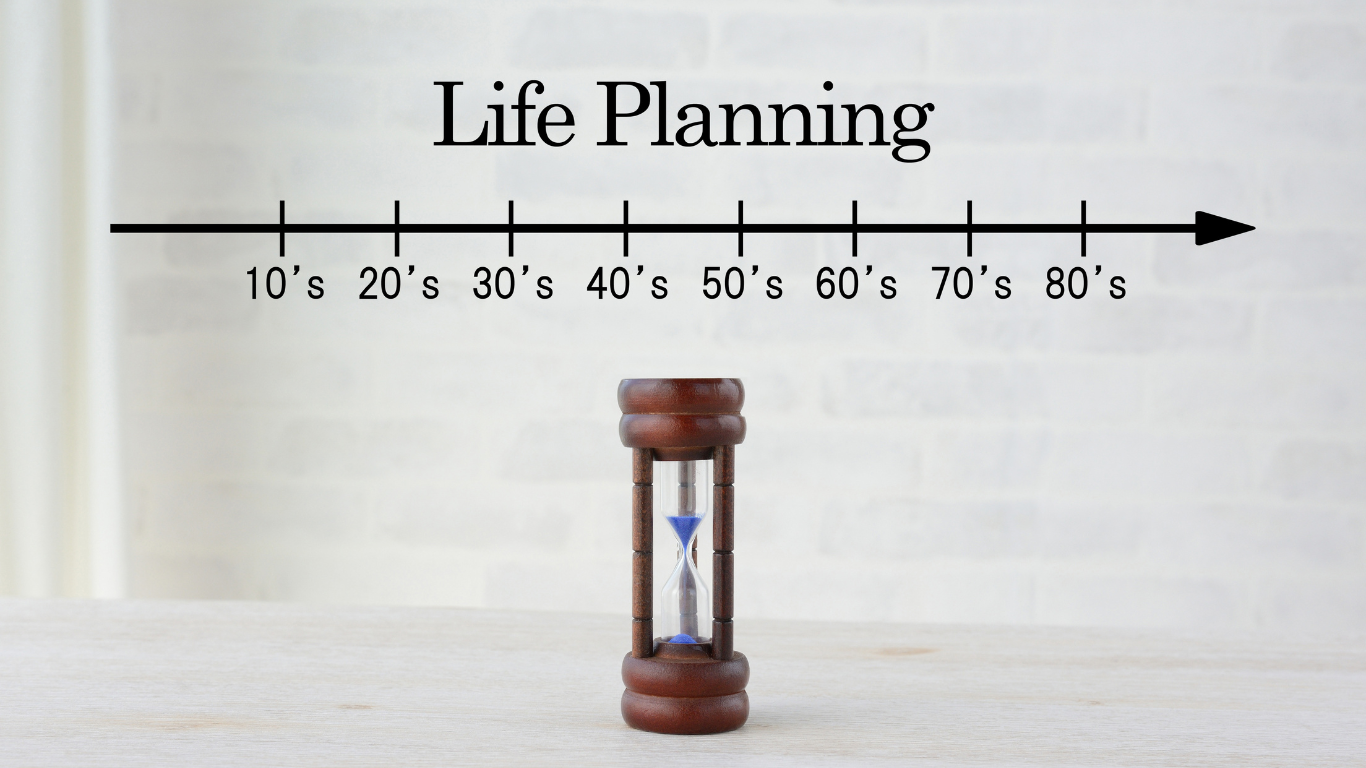
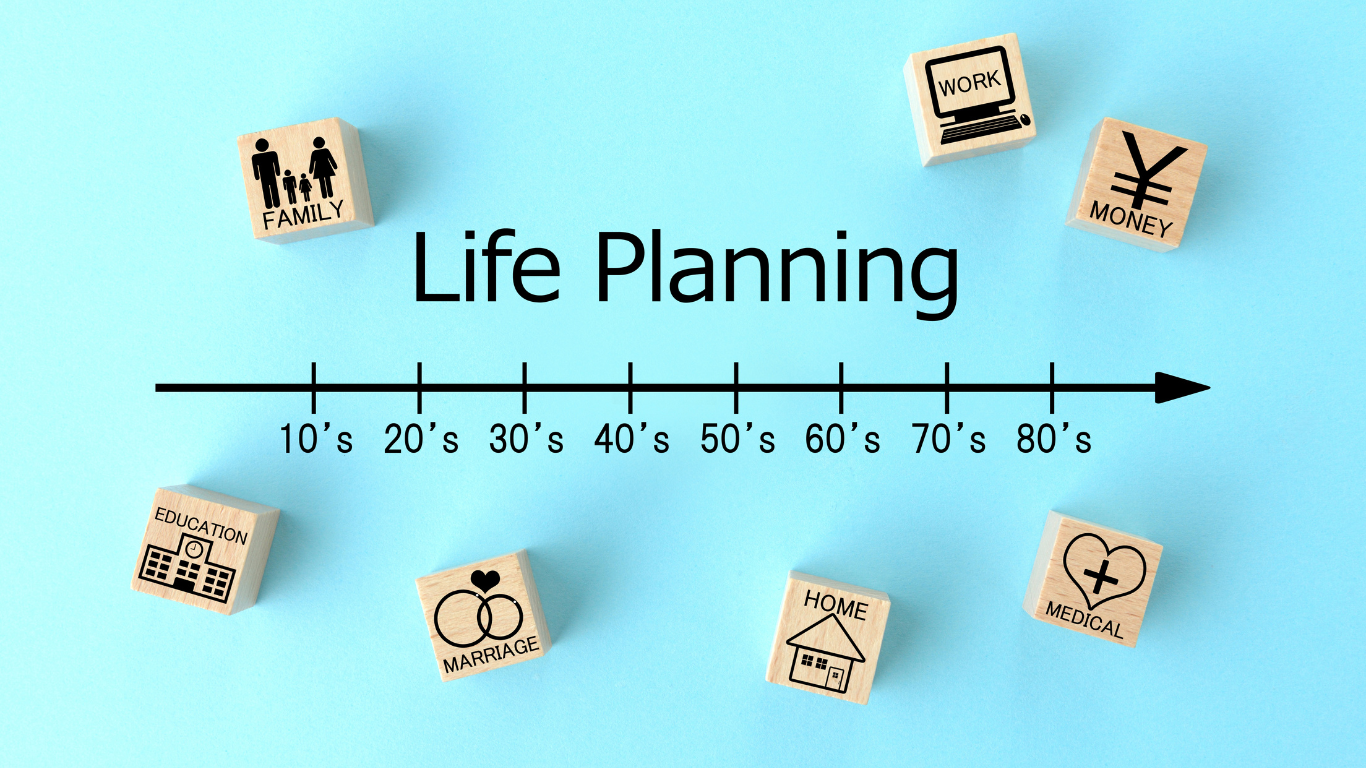
It’s easy to get swept away by the cycles of daily life. We find ourselves caught in a cycle of routines, obligations, and unforeseen events, rarely taking the time to pause and reflect on where we’re headed. Last month, we discussed the importance of mindfulness and staying in the present moment with our tasks. This is extremely important. So is looking ahead. This is where life planning comes into play—a process that empowers you to take control of your future, align your actions with your goals, and ultimately lead a more fulfilling and purposeful life.

Life planning is not just about setting goals; it’s about envisioning the life you truly desire and mapping out the steps to get there. It involves a holistic approach, considering every aspect of your existence, from career and finances to health and relationships. By dedicating time to planning your life, you create a blueprint that guides your decisions, helps you navigate challenges, and keeps you focused on what truly matters.

In this blog, we will explore the nuances of life planning, exploring how it can enhance your sense of direction, improve your mental and emotional well-being, and provide a clearer vision for your future. Whether you’re at a crossroads, seeking greater balance, or striving for personal growth, life planning offers invaluable benefits that can transform your journey. Life planning can help you craft the life you’ve always envisioned or create a vision for the life you want to have.

Your Personal Road Map

Life Planning is your very own guide that draws from your personally developed itinerary focused on your most desired places to go, sights to take in, experiences to savor, identifying the causes you want to champion, and being with the people dear to you, on your most significant journey imaginable. 

Your guide is tailored for and by you, matching what’s core to why you are who you are; taking into account what you yearn for most. You’ll discover what obstacles might get in your way. Determine who can help you overcome them. You’ll even have the freedom to exercise your option to choose the timing to take action on possible adjustments to keep your journey on course.

When you find that certain aspects of your itinerary no longer align with your initial planning, you can let them go. This includes adding new choices to your itinerary, including changing where you wish to travel, expanding or scaling back your list of people to be with, and shifting experiences based on your change of heart.

Essentially, Life Planning is a roadmap that identifies what is most important to you that is born of your dreams and aspirations. It’s a way of taking wishes and fantasies and turning them into a plausible approach to making them a reality. 

What Life Planning is not, is a plan for the end of life. By contrast, it is as the title suggests. It is a way of looking at your life in terms of what can be possible when we allow ourselves to dream and then look at ways of turning dreams into reality. It is also not a plan full of guardrails. Instead, guidelines for how to move forward. It also is not a constriction that can not be altered. 

As the saying goes, ā€œLife happens when you’re making plans.ā€ The suggestion is that life does not go according to plan. While this is often true, the lack of a plan provides you with no starting point nor ultimate attainment of something important to you because you chose not to put whatever it is in motion. Life planning allows you to consider what you really value most and then map out steps to move you in that direction. While you might find something else along the way, the life plan guides you to possible roads to travel. Something that I often heard as an athlete is a quote credited to Norman Vincent Peale, ā€œShoot for the moon. Even if you miss, you’ll land among the stars.ā€

Next comes Creating a Purpose and Direction
Founder’s Corner – Life Planning

Someone once said to me, ā€œHow can I plan my life when life is ever-changing and unpredictable?ā€ I found it a thoughtful question and a reasonable one to ask. While I believe it to be true that we cannot predict what will happen tomorrow or in the next minute for that matter, planning for the future has always been a worthy consideration –  as long as we do not become attached to our plans. Yet, having a plan in place is how many choose which schools to attend for a degree, what cities to live in that offer opportunities, and the qualities to look for in a mate versus remaining single. 

Some plans we look forward to and are eager to engage in.

I’ve witnessed couples planning their wedding. What colors to consider? Which caterer to hire? Who will be invited to that special day? Those same couples may plan for a family. How many children do they dream of having? What neighborhoods do they wish to live in? Which schools to send their children to? Those types of plans may lead to the type of job you want, the roles that are most important to you to take in your profession, and how much money you want or need to earn. 

Other plans are necessary and not so much fun to contemplate.

Recently I heard from a former client who shared that she is embarrassed to admit that, as she nears retirement, she has not planned out investments so that she has the money to retire comfortably. She admitted that planning for this next phase of her life is not something she looks forward to doing. So she simply avoids the topic altogether. This is a pervasive reality for many of us who don’t want to think about retirement. Yet, avoiding the topic doesn’t make its reality go away.

Life is full of plans. Some go as hoped while others, well, require rethinking. And just because you make plans, how you intend to carry out your plans may not always seem so clear. 

As a part of human nature or how we’ve been conditioned to act, we often find ourselves planning for the future – however unsure the future may be.

What I’ve discovered is that when it comes to the type of plans we make later in life, it can be the difference between planning the life you envision for yourself and living the life that someone else envisions for you, leaving your wishes out of the equation entirely. 

Hi, I’m Byron Darden with another edition of Leading with Purpose on Purpose. In this latest installment in the series on Transitions we began publishing in December 2023, we explore the value of Life Planning. The connection to our theme this month draws on the fact that more than a dozen countries celebrate Independence Day. So in keeping with the significance of gaining independence we thought it fitting to acknowledge the importance of doing so by planning ahead for the abundant life that is your birthright.

I’ve been supporting executive leaders for over 20 years in planning their climb up the corporate ladder and how to strategically navigate the process. Now I’ve drawn on that wealth of experience to support you in planning the life you most desire, rather than just hoping for the best that life has to offer. Because too many of us fail to plan for what is most important to us. Focusing on your passions, your dreams, and your greatest desires, I’ve learned first-hand the value of Life Planning. 

It began for me in 2008 when a dear friend and colleague offered me an opportunity to plan for what is next in my life. It was a profound experience unlike any I had before. While I had planned out my life as a skater as well as my rise as a stage actor, and my ultimate move to New York, these were all centered around my career. What I hadn’t considered was planning for the aspects of my life that were most important to me. Getting clear on how my life beyond my career might look. 

I was stunned to discover how many plans I made over the years without much thought to how retirement might fit in, as well as what and how I would like to give back. Particularly considering the countless opportunities that came my way and not by my own efforts. In fact, taking advantage of Life Planning is how I found my way to New York and what prompted me to begin Triple Axel Executive Coaching. 

Just to give you a taste of what Life Planning can do for you, I not only planned how my company would form and unfold, I even planned the last two-year pivot through which I’ve been transitioning in real time since we began publishing this series. 

You may have noticed that over the past eight months, our website has gone through a transformation. Our colors have changed from orange to several hues of blue. Our logo is different. Our services are more dynamic. And while we continue to specialize in serving women in leadership, we are also now inclusive of all executives and the various types of organizations in which they lead. We’re primed to help organizations become more inclusive, support them in facing change, and provide coaching to executives to sharpen their skills. In order to navigate promotions more effectively, we help leaders develop their personal brand, and guide our clients to build on what they do in business by also helping them identify what comes next in their lives.

As you read this month’s blog on Life Planning Part One, think about how you can benefit from allowing us to help you make way for your life’s passions. Enjoy!

Continue to this month’s blog on Life Planning!

Start Your Journey

ā€œMindfulness is about being fully awake in our lives. It is about perceiving the exquisite vividness of each moment. We also gain immediate access to our own powerful inner resources for insight, transformation, and healing.ā€ – Jon Kabat-Zinn

Embarking on a transition journey is navigating uncharted waters, filled with uncertainties and complexities. In times of change, finding inner balance and clarity becomes paramount. That’s where meditation can be an invaluable ally. 

Whether you’re facing a career shift, a relationship change, or any other aspect of life that sets you on a transition course in life, meditation offers a sanctuary of peace and insight. 

I’ve seen a great deal of change in my life including having grown up and lived in three different cities in Texas and two different cities in Colorado. I’ve spent over a decade in Massachusetts, and nearly a decade in Washington state, traveled the world, and now reside in New York City. I’ve lived through numerous transitions from one aspect of my life to another and I’ve developed a mindfulness practice that allows me to be where I am in my life today – grounded. 

Engage me to support you in transitioning through whatever changes you face in your life. Having earned the Registered Life Planning designation, RLPĀ®, I have an insightful way to help you begin planning a transition rather than meeting it as a deer in the headlights might!

Gain an Advantage

Embracing mindfulness can set you apart from others. While many may navigate transitions with uncertainty, stress, and emotional turbulence, those who incorporate mindfulness into their lives stand out for their resilience, clarity, and grounded presence. While there are numerous ways to practice mindfulness, one of the ways I’ve found that boosts your awareness is a regular meditation practice.

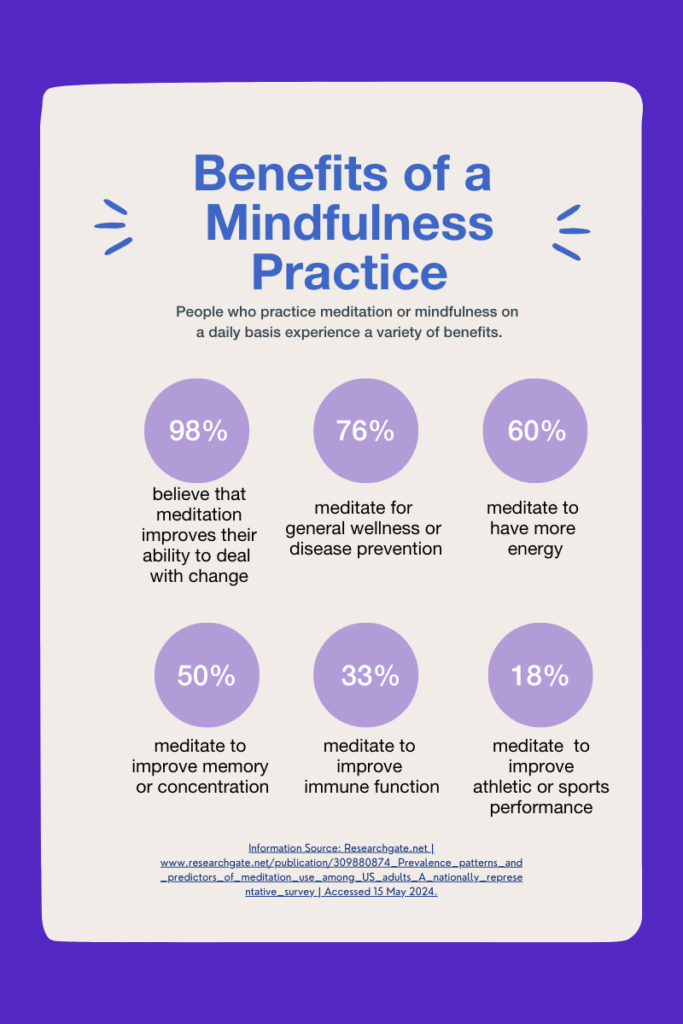
It did not surprise me to learn that less than 15% of the population spends time in a regular meditation practice. I avoided it myself at first. Of those who spend time in quiet contemplation: 

  • Three-quarters experience improvements in their health.
  • Nearly ā…” have more energy.
  • One-half have better memory and attention.
  • One-third experience decreased anxiety, stress, and sadness.

What did surprise me is that there are over twelve thousand empirical articles written about the self-compassion aspect of mindfulness.

Mindfulness cultivates a unique capacity to engage with change in a more intentional and balanced manner. By developing a practice of present-moment awareness and self-compassion, individuals become adept at observing their thoughts, feelings, and bodily sensations without judgment. This ability to stay anchored in the present moment while transitioning through change allows for a deeper understanding of oneself and the situation at hand.

Rather than becoming distracted by a whirlwind of emotions, one is able to acknowledge and accept their feelings with equanimity. By maintaining a sense of inner calm, they can respond to challenges with greater clarity and composure, thus fostering more harmonious relationships and effective decision-making.

Mindfulness fosters a sense of resilience that sets individuals apart during transitions. Instead of viewing change as a threat, they approach it with a mindset of openness and adaptability. Through regular meditation, deep breathing exercises, or body scans, they build a strong foundation of inner strength and flexibility, enabling them to navigate even the most turbulent of transitions with grace and fortitude.

By being fully present with others and cultivating deep listening skills, mindfulness practitioners forge deeper connections and offer genuine support to those around them. This empathetic and compassionate approach not only strengthens existing relationships –  they attract new opportunities for collaboration and growth.

Mindfulness is a path to greater self-awareness, emotional resilience, and interpersonal connection. 

Life Changes

So much of my life has been steeped in transitions that I rarely gave much thought to how my experience could support others. It wasn’t until a dear friend and colleague of mine suggested I support others through transitions that it even occurred to me. At first, I could not fathom why they thought I would have anything to say to others that could help them. Her reply was sobering, ā€œClearly Byron, you haven’t read your own resume.ā€ 

We all have moments in our lives when we discover how significant our experiences can be to others, sometimes more than they seem to ourselves. Having worked with global leaders who do not see their lives as particularly noteworthy, I’ve discovered a similar point of view about my own life! I’ve also learned just how noteworthy my clients’ lives truly are as we work together to evolve their leadership. They lead fascinating lives when they have the opportunity to see it from someone else’s perspective. 

When I work with leaders one-to-one or in groups, one of the aspects of my coaching is to share vulnerably about myself when appropriate. I learned that when I demonstrate vulnerability with my clients, they experience the value of the impact for themselves and are more confident in showing vulnerability with their own teams, colleagues, and clients. Starting at the beginning of our working relationship, I strategically find opportunities to share about myself as a model for how it is done and why it is such an effective way to build long and lasting relationships with others. 

In the Beginning

Rather than simply tell you a story, I will share with you that my friend and colleague brought to my attention that I transitioned from being a puppeteer entertaining young audiences to beginning my figure skating career which opened my eyes to business. 

My interest in how the skating business worked led to the start of a twelve-year career in the food service and hospitality industry primarily as a waiter; the most accessible entertainment to the public, from my perspective. I learned how to be authentically engaging and attentive to what made diners happy and appreciative. It was an industry that significantly developed my stage presence.

The entertainment business was already in my blood from my father; a professional pianist and drummer. Beyond his 9 to 5 profession, he continued to return to his love of music right up until the last six years of his life. He taught me to sharpen my entertainment skills through music and I did. I began honing those skills at just about every imaginable level of the restaurant experience. I transitioned from a pizza parlor to steakhouse dining. I made my way into gourmet catering where I continued for over a decade. I had the opportunity to work in a number of fine restaurants in my career. To this day, food preparation is my greatest passion. 

During that ten-plus year timeframe, I was tapped to move into the hotel industry working in the banquets department through five-star dining. I remember how challenging some of those transitions felt. When I first learned about the concept of imposter syndrome in my coaching work, I recalled similar feelings as a skater, progressing from one level to another. 

It really hit home for me when I earned my first master’s rating as a figure skating coach. ā€œWhat am I going to do when they all find out I have no idea what I’m doing?ā€, I used to think. ā€œWorse, what happens when the master coaches who passed me, have to explain why and how I passed?ā€ It never occurred to me that imposter syndrome was what I experienced as I got promoted to higher levels, changed jobs, shifted to different industries, and acquired new skills and various roles. I’ve experienced these doubts since I began acting in the second grade. Being emotionally stretched and facing rejection was then and still is now, a regular occurrence. 

It remained the same when I toured with Ice Capades. In a professional show, talent is hired, promoted, demoted, and fired. It wasn’t always about a skater’s ability either. Sometimes it boiled down to, ā€˜how easy it is to work with a skater more so than how talented or not they may have been?ā€ There is also that moment when it becomes time for talent to move on. It could be leaving the ice show as I did after three years, to move on to a coaching career. It could be moving up in an organization when promoted to more advanced roles. Or it could be moving on from a role in a company to join a different organization

For me, leaving the show and moving into coaching skaters was nothing like being a performer in an ice show. Evidence of that took a bit of time to sink in after a very seasoned coach enlightened  me that ā€œit takes about five years to feel like you know what you’re doing.ā€ Except, I already knew what I was doing. Or so I thought! 

My mother used to reference people who thought very highly of themselves. Not unlike when we reach adult age and think we know more than we do. She called it ā€œsmelling yourself.ā€ I was so busy smelling myself after I heard I’d have to wait five years to really know what I was doing as a coach, that it wasn’t until about the fifth year that I remember gasping; realizing how far I’d come and how little I really knew! That revelation led to many years of trying to prove I had any business in the sport, much less coaching. Champion? Olympic coach? Yikes!

Coming Full Circle

I think part of the reason I returned to my own skating, which eventually led me to become a professional pairs skating champion, was to reconnect with my confidence in performing. That is a strange thing to share given we balance on a quarter of an inch of steel during which the only time we are on the full quarter-inch of the blade, is when we transition from edge to edge, from one foot to the other as well as moving from backward to forward and back again. The only way to avoid spending most of your time on your rear end is to master transitions. Yet, skaters still spend a significant amount of time on our ass, getting up off our ass or about to fall on our ass! Go figure! Pun intended.

This makes for an ideal transition to share where I learned to develop a nervous system that allowed me to cover that much change in my life. It was during the countless and seemingly endless hours of tracing school figures that I developed the skill of mindfulness. Compulsory school figures are the backbone of the sport and one of the most mindfulness training grounds that I know. Meditation came along much, much later in my life. School figures are where it all began for me and they were a requirement until 1991, until then you were not considered a figure skater without having trained school figures. 

School figures are to a skater what barr work is to a ballet dancer. Without the barr, you are left with no foundation for classical dancing. Without figures…well, the sport is now without school figures. This means the sport had to change and experience the uncertainty and growing pains of transition. I was coaching when figure requirements ended and something new had to become our version of barr work. A group of coaches; several of whom were mine, a number of judges; some of whom are my contemporaries, and a pool of skaters; one of whom later became my student, developed Moves in the Field. I was invited to co-author the book of standards for the new discipline that replaced figures and ushered in a new type of skating athlete. Enter in deepening the concept of cross-training. 

Transitions

As I became known as the MovesMaster demonstrating, coaching, mentoring coaches, and setting standards for judging them, my skills as a coach became known as well as my writing ability. Eventually, I found myself writing my own column in an international figure skating magazine and coaching on the Olympic level. I’m reminded of a lyric from The Talking Heads – Once in a Lifetime, ā€œHow did I get here?ā€ It is a sentiment I thought of often as I transitioned in and out of a professional acting career that is still alive today. I recorded a book on tape, did voice-over work, and appeared in the global television special, ā€œIce Capades with Kirk Cameron.ā€ 

Most of the professional skating experience I’ve had came after owning a chocolate manufacturing company; initially intended to financially support my skating. That business was what signaled my eventual retirement from the food industry. In each of the many professional roles I’ve had, I learned countless life and business lessons along the way. It finally inspired me to earn an academic MBA to go along with learning business on the job.

Navigating smoothly through transitions can help you Gain an Advantage.

Developing Your Practice

Here are some ways to incorporate a mindfulness practice into any transition:

  • Mindful Breathing: Take a few moments to focus on your breath. Notice the sensation of each inhalation and exhalation, allowing your breath to anchor you in the present moment. This simple practice can help calm your mind and ground you during times of change.
  • Body Scan: Conduct a body scan to bring awareness to physical sensations. Starting from your toes and moving up to the top of your head; be sure to heighten your awareness as you sense each part of your body. Notice any areas of tension or discomfort without judgment. Simply observe and breathe into those sensations, allowing them to soften and release. 

This is something I find myself doing from time to time when my energy is high and I notice my hand trembling when holding a piece of paper or another object. By simply observing the tremble, breathing into the sensation of trembling, and then releasing muscle tension with the exhalation, the trembling stops and I am now aware of regulating my breathing and energy.

  • Observing Thoughts and Emotions: Pay attention to your thoughts and emotions as they arise during the transition. Instead of getting caught up in them, observe them with curiosity and compassion. Recognize that thoughts and feelings are transient and that is what the mind and body does. It creates thoughts and experiences feelings. Then choose not to attach to them and allow them to pass away as though helium balloons were being let go to float away. Or clouds that dissipate over time. Then allow your attention to return its focus to the breath, the flickering flame of a candle, or the physical sensations you experience in your body
  • Engaging Senses: Use your senses to connect with your surroundings. Notice the sights, sounds, smells, tastes, and textures around you. Engaging with your senses can anchor you in the present moment and provide a sense of stability during transitions.
  • Mindful Movement: Practice mindfulness during movement activities such as walking, yoga,  tai chi, eating, food preparation, or star gazing. Pay attention to each movement and sensation in your body as you move through space. This can help you stay grounded and centered through the transitions of change.
  • Gratitude Practice: Cultivate gratitude by reflecting on aspects of the transition that you are thankful for. Even amidst uncertainty or challenge, there are silver linings or opportunities for growth. Focusing on gratitude can shift your perspective and foster a sense of resilience.
  • Acceptance and Letting Go: Practice acceptance of the present moment, including both the joys and the difficulties of the transition. Let go of resistance to change and embrace the unfolding journey with openness and equanimity.
  • Regular Mindfulness Practice: Maintain a regular mindfulness practice, such as meditation or mindful journaling, to build resilience and inner resources for navigating transitions. Consistency is key to reaping the benefits of mindfulness over time.

Remember that mindfulness is a skill that develops with practice, so be patient and gentle with yourself as you integrate these practices into your life during transitions. Also remember that with any practice, seeking help and support will set you up for greater success. I know this to be true because I was unable to master this practice until I sought support.

Read how mindfulness and transitions have helped me through Life Changes.

Harnessing the Benefits of Mindfulness

Practicing mindfulness can serve you well in various transitions throughout life. Here are some examples:

  • Career Transitions: Whether starting a new job, gaining a promotion, transitioning to a different career path, or retiring from your current profession, mindfulness can help you navigate the transitions of these changes more effectively.
  • Relationship Transitions: Draw on your practice to support you during relationship transitions such as starting a new romantic relationship, going through a breakup or divorce, or adjusting to changes in your family dynamics.
  • Life Stage Transitions: As we learn, grow, mature, and explore, life stage transitions are inevitable and look different for everyone. Mindfulness can help us embrace these differences and transition through the changes they present to us with openness, acceptance, and a sense of purpose. This insight led me to learn how I can provide support to leaders as they consider what is next in their lives. Helping them plan for it rather than just letting life happen to them.
  • Health Transitions: Managing health-related transitions, such as recovering from an illness or injury, adapting to a new diagnosis, or making lifestyle changes to improve your well-being, can be challenging. Your practice can support you in coping with the physical, emotional, spiritual, and psychological aspects of these transitions.
  • Cultural or Environmental Transitions: Moving to a new city or country, adjusting to a different cultural or social environment, or experiencing changes in your community can be disorienting. Mindfulness can help you stay grounded and connected through cultural or environmental shifts. Loving-kindness will help to orient to new situations with greater ease.
  • Educational Transitions: Whether starting school, transitioning between academic programs, or pursuing further education, mindfulness can help you manage the academic pressures and uncertainties associated with the educational environment. Adding loving-kindness will support you physically as you experience the stress of such a transition on your body.
  • Personal Growth Transitions: Engaging in personal growth activities such as starting a new hobby, embarking on a spiritual journey, or challenging yourself to step out of your comfort zone can be transformative. Mindfulness can support you in staying present, curious, and open to new experiences.

In essence, you can benefit from a mindfulness practice when experiencing any change, uncertainty, or adjustment. By cultivating mindfulness, you can navigate transitions with greater ease, resilience, and well-being, embracing the opportunities for growth and transformation that come with change.

Learn more about Developing Your Practice.

The Role of Mindfulness

Incorporating practices such as meditation, deep breathing exercises, or body scans into our daily routine can help cultivate these skills over time, ultimately supporting us in managing our emotions. This is a useful skill given that our emotional state can lead to anxiety and stress – well-documented contributors to poor performance and health complications

Mindfulness practice is important in transitions for several reasons:

  • Emotional Regulation: Transitions often bring about a range of emotions, including stress, anxiety, excitement, and uncertainty. The practice helps regulate these emotions by allowing individuals to observe their feelings without judgment and respond to them in a more balanced way.
  • Reduced Stress and Anxiety: These practices have been shown to reduce stress and anxiety levels. By staying present and focused on the current moment, individuals can alleviate some of the worry and rumination that often accompany transitions.
  • Increased Resilience: Transition periods can be challenging and require adaptability. Practicing fosters resilience by helping individuals cultivate a mindset of acceptance, flexibility, and openness to change. I’m reminded of a colleague and friend who has meditated for decades and discovered how much more grounded they felt when dealing with an ailing family member. Their settledness also provides them solace with tensions that come up with other family members – who do not meditate regularly – who are more easily rattled when facing the illness of that same family member.
  • Improved Decision-Making: Develop your practice to enhance clarity of thought and concentration, which can improve decision-making during transitions. By staying present and grounded, individuals can make more thoughtful and intentional choices about their next steps. This can be particularly useful when addressing obstacles that can get in the way during the Life Planning process.
  • Enhanced Coping Skills: Mindfulness provides individuals with effective coping strategies for dealing with the uncertainties and challenges of transitions. By developing a greater capacity to stay present with difficult emotions and situations, individuals can navigate transitions with greater ease and confidence.
  • Promotion of Self-Awareness: Transitions provide opportunities for self-reflection and personal growth. Mindfulness enhances self-awareness by encouraging individuals to observe their thoughts, feelings, and behaviors without judgment. This self-awareness can lead to deeper insights and a greater understanding of oneself during times of change.
  • Improved Relationships: Regular practice fosters enhanced communication and deeper empathy, which can strengthen relationships during transitions. By being fully present with others and actively listening to their experiences, individuals can build stronger connections and provide support to one another.

By cultivating mindfulness during transitional periods, individuals can adapt more effectively to new circumstances and embrace the opportunities for growth and transformation. That is what transitions generate and why remaining grounded is of great importance.

Learn how to Harness the Benefits of Mindfulness

Cultivating Awareness

Mindfulness is awareness of the interconnected communication loop between the body and brain that influences the perception and behavior of ourselves and our environment. While it requires a mental effort, it is an exercise that requires drawing on all our senses. It is a practice that involves bringing our attention to the present moment without judgment. It’s about being fully aware of our thoughts, feelings, bodily sensations, and the environment surrounding us. 

Rather than dwelling on the past or worrying about the future, mindfulness encourages us to experience each moment as it unfolds. Within its unfolding, it is helpful to combine mindfulness with loving kindness; the latter of which is more directed to our awareness in the physical realm. Often these two are combined to be certain to balance the mind with the body.

Mindfulness is a practice rooted in ancient contemplative traditions, particularly in Buddhism,  it has also gained widespread popularity in modern psychology and other wellness practices. At its core, mindfulness involves intentionally paying attention to the present moment with openness, curiosity, and acceptance.

Think of mindfulness as a framework to prepare for approaching transitions. By integrating your practice of mindfulness and loving-kindness into your transition process, you can navigate change skillfully and with a greater sense of inner peace. We will speak more about this in our final blog next month which brings closure to our series on Transitions.

Here are some key aspects of mindfulness:

  • Present Moment Awareness: Bring your attention to the here and now, focusing on your current experiences, sensations, thoughts, and emotions without getting caught up in past regrets or future worries.
  • Non-Judgmental Awareness: Observe your experiences without judgment or criticism. This means accepting your thoughts and feelings as they are, without labeling them as “good” or “bad,” ā€œrightā€ or ā€œwrong.ā€ These are judgments that when used to express our opinion of another’s effort, particularly in a business setting, can have an adverse effect on the receiver of such judgmental words. As a result, while we may not be conscious of their effect, the impact is felt and can often lead to the very reason people choose to move on to opportunities in other organizations.
  • Acceptance and Letting Go: Develop your ability to accept issues, circumstances, and situations as they are in the present moment, even when they are difficult or uncomfortable. It’s about letting go of the impulse to control or change things and instead allowing them to unfold naturally.
  • Awareness of Thoughts and Emotions: Become more aware of your thoughts and emotions as they arise, observing them with curiosity and without attachment rather than becoming overwhelmed by them.
  • Focused Attention: Focus your attention on a specific object or function, such as your breath, bodily sensations, or an external stimulus such as the flame of a candle. This helps anchor your awareness in the present moment and prevents your mind from wandering.
  • Cultivation of Compassion: While awareness and acceptance are primary, you will also want to cultivate compassion and loving-kindness towards yourself and others. This involves treating yourself with gentleness and understanding, especially during challenging times such as transitioning through change.
  • Practice and Skill Development: Mindfulness is a state of being and a skill that can be developed through regular practice. Activities such as meditation, mindful breathing, body scans, expressing loving-kindness and mindful movement, (i.e. yoga or tai chi) are common ways to cultivate it.

This developed quality is a powerful tool for promoting mental well-being, reducing stress, and enhancing self-awareness. It can be applied in various aspects of life, from managing everyday stressors to navigating major life transitions with greater resilience and clarity. You will recall my sharing about this in our May blog on ā€œThe ART of Listening.ā€

Discover the Role of Mindfulness in your life.

Transcending Change: Embracing Mindfulness in Transitions

Transitions in life are tightrope walking experiences between the familiar and the unknown, where uncertainty lurks at every step. Whether it’s a career change, a move to a new city, or a relationship shift, navigating these transitions requires focus, courage, and resilience. Yet imagine the difference when aided by a guiding light. Enter mindfulness.

Mindfulness is the practice of being fully present and engaged at the moment and it offers a powerful tool for navigating life’s transitions with grace and clarity. It’s about cultivating a deep awareness of our thoughts, emotions, and physical sensations, without judgment or attachment to the past or future. In essence, this practice provides a steady anchor when the storms of change arise, allowing us to navigate transitions with greater ease and flexibility.

Focusing on the present moment helps us embrace the beauty and richness of each experience, even when faced with uncertainty. It invites us to observe our thoughts and emotions with curiosity and compassion, rather than getting swept away by them. In doing so, a mindfulness practice fosters a sense of inner peace and acceptance, enabling us to move through transitions that may lack clarity and sanctuary.

We’ll explore how mindfulness serves as a guiding force in navigating life’s transitions. From practical tools and exercises to inspiring stories of personal transformation, we’ll uncover the profound impact of mindfulness on our journey through change. And you will begin to better understand how mindfulness addresses our overall wellness as we learn about the benefits of developing this invaluable practice.

Keep reading to learn about Cultivating Awareness